
Skincare Components Guide
Explore the essential ingredients and vitamins that transform your skin. Learn how each component works to improve hydration, elasticity, and protection against photoaging.
Filter by Category
Essential Skincare Components
Vitamin C for Skin
A powerful antioxidant that brightens complexion, reduces dark spots, and supports collagen synthesis. Vitamin C helps protect against photoaging and environmental stressors while promoting a luminous glow.
Hyaluronic Acid Benefits
A humectant that holds up to 1000 times its weight in water, dramatically improving skin hydration. Hyaluronic acid plumps the skin, reduces fine lines, and creates a smooth, dewy appearance. Perfect for all skin types.
Retinol for Face
A vitamin A derivative that accelerates cell turnover and boosts collagen production. Retinol reduces fine lines, improves skin texture, and provides powerful anti-aging benefits. Start slowly for best results and protection against photoaging.
Peptides in Skincare
Short chains of amino acids that signal skin cells to produce collagen and maintain skin elasticity. Peptides strengthen the skin barrier, improve firmness, and enhance skin texture. Effective for mature and delicate skin types.
Antioxidants in Cosmetics
Protective compounds like green tea extract, resveratrol, and niacinamide neutralize free radicals and prevent oxidative stress. Antioxidants strengthen skin defense, reduce inflammation, and support overall skin health. Essential for prevention.
Cosmetic Ingredients
The science of formulation combines active ingredients with stabilizers, preservatives, and carriers for maximum efficacy. Understanding ingredient synergy helps you choose products that target your specific skin concerns and goals.
Vitamins for Skin
Essential nutrients including Vitamin E, B vitamins, and Vitamin D support skin barrier function, reduce inflammation, and promote cellular health. Topical vitamins work synergistically to improve skin appearance and resilience from within.
Skin Hydration
Maintaining optimal skin hydration requires understanding humectants, emollients, and occlusive ingredients. Proper hydration improves barrier function, enhances radiance, and provides a foundation for all other skincare benefits to work effectively.
How Skincare Components Work
Understanding how each ingredient functions is key to building an effective skincare routine. Different components address specific concerns through various mechanisms—some hydrate, others protect, and many work together synergistically.
Ingredient Selection
Choose components that target your specific skin concerns—whether it's hydration, elasticity, or protection against photoaging. Each ingredient has unique properties and concentrations matter.
Consistency and Application
Regular application allows ingredients to penetrate skin and build effects over time. Most actives show visible results after 4-12 weeks of consistent use in appropriate formulations.
Synergistic Combinations
Many ingredients work better together than alone. Understanding which components complement each other helps you create a routine that addresses multiple skin concerns effectively.
Results and Maintenance
Visible improvements in skin texture, hydration, and elasticity develop progressively. Maintaining results requires ongoing use of effective formulations tailored to your skin's evolving needs.
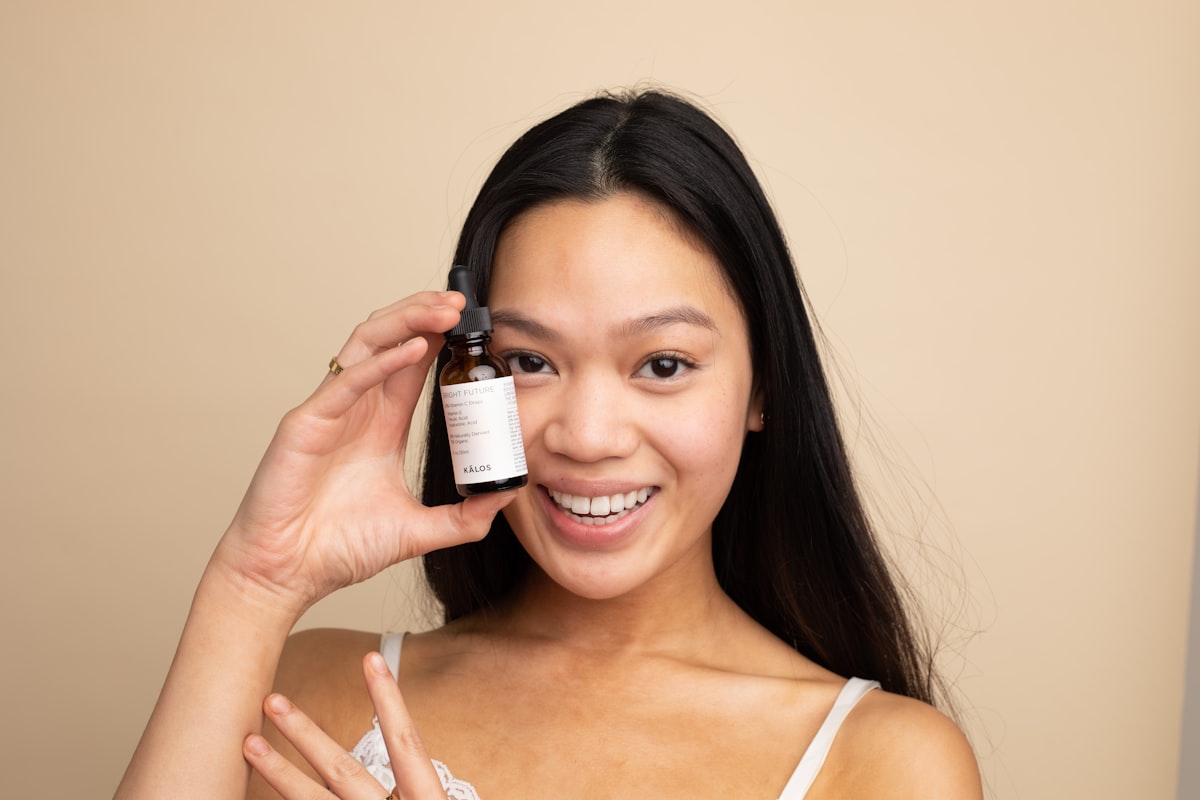
Top Skincare Component Benefits
Enhanced Skin Hydration
Ingredients like hyaluronic acid and glycerin draw moisture into the skin, creating a plump, dewy appearance. Proper hydration is the foundation for all other skincare benefits and improves overall skin health.
Improved Skin Elasticity
Peptides, retinol, and vitamin C stimulate collagen production, restoring firmness and elasticity. This results in smoother texture, reduced fine lines, and improved overall skin resilience and appearance.
Protection Against Photoaging
Antioxidants and UV-protective ingredients prevent sun damage and environmental stress. This protection reduces age spots, maintains skin integrity, and prevents premature aging caused by external factors.
Brightening and Radiance
Vitamin C and exfoliating actives promote cell turnover and reduce dark spots and uneven tone. Regular use reveals brighter, more luminous skin with improved clarity and a healthy glow.
Barrier Function Strengthening
Ceramides, niacinamide, and fatty acids repair and maintain the skin barrier. A strong barrier reduces sensitivity, prevents water loss, and improves skin's ability to stay healthy and resilient.
Targeted Problem-Solving
Different ingredients address specific concerns—acne, sensitivity, dullness, or texture issues. Understanding which components target your concerns allows you to build a personalized, effective routine.
Reader Insights
Learning about hyaluronic acid completely changed my skincare approach. I finally understand why my skin felt dehydrated despite using moisturizer. This guide helped me choose products with the right humectants and now my skin feels plump and healthy.
Maria Virtanen
Helsinki
The explanation of how retinol works was eye-opening. I used to think it was too strong for my sensitive skin, but understanding the science made me realize I just needed to introduce it gradually. My skin texture improved dramatically.
Liisa Korhonen
Espoo
I appreciate how this guide breaks down complex ingredient combinations. Instead of guessing which products to buy, I now understand which actives work together and which might conflict. My routine is simpler but more effective.
Katja Maki
Turku
The section on photoaging prevention was crucial for me. Living in Finland with harsh winters and bright summer sun, understanding how antioxidants protect my skin has changed how I approach prevention. Thank you for making science accessible.
Anni Laaksonen
Tampere
Common Questions About Skincare Components
Humectants like hyaluronic acid and glycerin draw water from deeper skin layers and the air into the epidermis, providing hydration. Occlusives like oils and waxes create a barrier that prevents water loss. Emollients smooth and soften the skin. An effective hydration routine combines all three types for maximum skin hydration and barrier function.
While both are powerful actives, using them together can increase irritation, especially for sensitive skin. Most skincare experts recommend using retinol at night and vitamin C in the morning. If you want to combine them, introduce each separately first, then use low concentrations. Alternatively, use them on different days or in different routines. This approach protects your skin while you benefit from both ingredients' anti-aging and brightening effects.
Most skincare ingredients require consistent use for 4-12 weeks to show visible results. Ingredients like Vitamin C and Niacinamide may show benefits within 2-4 weeks, while retinol and peptides typically need 8-12 weeks. Patience and consistency are key to achieving optimal results.
Yes, but with caution. Some ingredients work synergistically, while others may cause irritation when combined. Generally, avoid mixing strong actives like retinol with vitamin A derivatives. Niacinamide, Hyaluronic Acid, and peptides layer well together. Always introduce new ingredients gradually and monitor your skin's response.
Some ingredients are gentler than others. Hyaluronic Acid, Niacinamide, and Peptides are generally well-tolerated by sensitive skin. Retinol, Vitamin C, and Alpha Hydroxy Acids can be irritating for sensitive types—start with low concentrations and use less frequently. Always patch test first and consult a dermatologist if concerned.
Real Results from Our Community
"Luminous Vitamin Journey transformed my skin! Within 8 weeks, my fine lines diminished and my complexion became radiant. The ingredient breakdowns helped me understand exactly what I was applying."
Sarah Mitchell
Age 35
"I was skeptical about peptides, but this resource showed me how they work. My skin elasticity improved noticeably, and I finally understand the science behind skincare."
Jessica Chen
Age 28
"Finally, a resource that breaks down skincare science without the hype. My hyperpigmentation faded faster once I understood how to layer ingredients correctly."
Emma Thompson
Age 42